 The civic high street
From a briefing by Power to Change
The state of the high street is a highly visible indicator of local prosperity or decline in every part of the country. High streets shape daily life, support local identity and signal whether national commitments to renewal are being met.
Currently, they demonstrate a broken model for the British high street.
Addressing their deterioration, including high vacancy rates, poor public attraction and rising anti-social behaviour, is essential to local economic renewal and creating tangible improvements that strengthen community connection, cohesion and pride in place.
Fix our high streets and they become the shopfront of a growing economy and cohesive community.
What happens on our high streets is shaped by who owns them, who governs them, and who gets to make decisions about them. Power to Change argues for a new organising principle for the next phase of high street renewal: a shift away from retail-led towards mixed-use places centred on community life. These are high streets that combine enterprise with care, housing, culture and public services, creating more resilient economies and stronger social infrastructure.
Drawing on evidence from community-led regeneration across England, Power to Change show what enables this model to take hold, and what holds it back. Hindrances are fragmented ownership, inaccessible data, limited local authority capacity and insecure tenure. All these make it harder for communities to access and steward high street spaces over the long term.
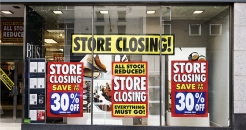
For many years, national policy has continued to centre an outdated retail-led approach that no longer reflects how and where people shop. The demise of department stores, the growth of online and out-of-town retail and wider economic pressures have created a surplus of retail space.
A future-facing, creative reuse of these spaces – expanding what and who our high streets are for – will be essential to restoring pride and productivity on the high street. A mixed-use civic model is emerging as a resilient alternative for the high street, combining retail and hospitality with greater access to public services, community spaces and housing. This vision now needs clearer definition.
Many existing and new powers, such as High Street Rental Auctions, Compulsory Purchase Orders and the Community Right to Buy, remain underused or poorly understood. Revitalising Britain’s high streets requires better use of these tools, coordinated investment and stronger collaboration with local partners like communities and community businesses.
Across the country, communities are taking ownership of key assets and creating destination spaces that meet local needs, foster connection and boost footfall to nearby businesses. They are motivated not by profit but by the desire to restore local pride. This approach builds strong, connected communities and keeps wealth local, with 56p in every £1 spent in community-owned assets staying in the local economy – compared to 40p in comparable private businesses.
As stewards of high street buildings, community businesses give high streets enduring vitality, with community-owned spaces less likely to be vacant than those owned by pension funds or investment management schemes. And they are resilient to economic challenges, with the majority of community businesses consistently confident in their future business prospects over the last year: in the last quarter of 2025 only a quarter of community businesses thought their prospects would worsen in the next quarter, compared to half of small businesses.
Power to Change define five steps to deliver a civic model for the high street:
-
Tackle vacant buildings and signs of local decline through a Property Holding Vehicle - a government-backed pot to buy, restore and transfer high street properties to community ownership.
-
Roll out high street innovation squads to help councils utilise existing powers to shape the high street.
-
Reform access to and collection of high street ownership and vacancy data.
-
Establish a model meanwhile lease agreement that is fair for landlords and tenants, and support implementation.
-
Support communities to progress from temporary use to long term asset stewardship.
With significant public investment committed to high street renewal, there is a real opportunity to embed this approach in national and local strategy. A civic model offers a route to high streets that are more vibrant, more inclusive and more rooted in the people who use them every day.
Read the full briefing here.
Retweet about this article:
From a briefing by Power to Change, 30/09/2026